
A large online casino lobby can make game selection feel harder rather than easier. The useful approach is to narrow the field by game type, playing style, provider, and whether you want to practise before risking money. The casino online spinsy catalogue is arranged around several of these discovery tools, including search, categories, provider filters, and demo availability. For Canadian adults, the aim should be a manageable shortlist—not scrolling through thousands of titles or treating a quick win as evidence that a game is suitable.
Begin with the type of game you actually want
Start by choosing the broadest category that matches your mood and experience. Slots are generally the largest group and can range from simple three-reel designs to feature-heavy video slots with multiple bonus rounds. Instant games tend to use shorter rounds and straightforward interfaces. Table games provide familiar formats such as roulette, blackjack, baccarat, and dice, while jackpot games add a prize-pool element that may appeal to players who enjoy progressive targets.
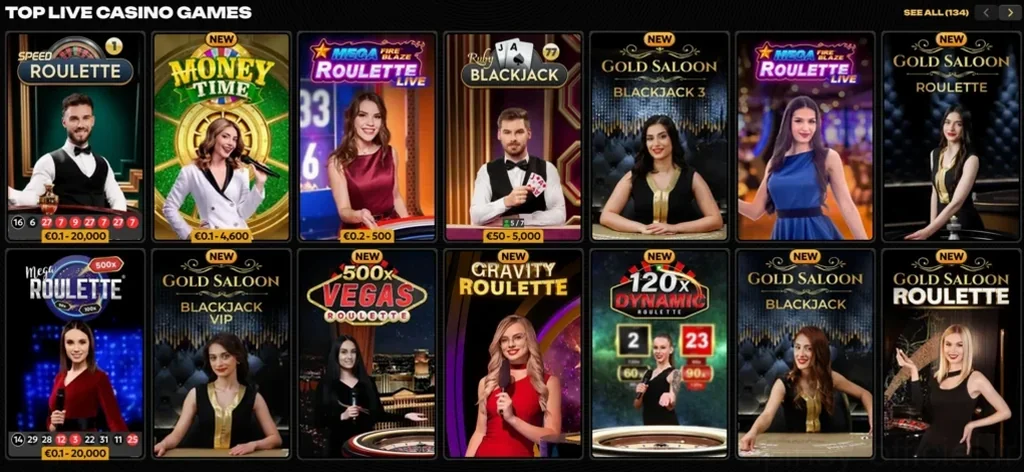
Live dealer games occupy a different place in the catalogue because the action is streamed from a studio or table environment. Roulette, blackjack, baccarat, poker, game shows, and international tables can all provide a more social presentation than automated games. However, the pace, available betting range, and table rules can differ considerably. Choosing a game because it looks entertaining is reasonable; assuming that a live presentation changes the underlying odds is not.
Use the category labels as a first filter rather than a final decision. A player interested in relaxed exploration might begin with slots or instant games, then narrow the list by theme or provider. Someone looking for familiar rules could move directly to table games. If the lobby also includes sportsbook and virtual-sports areas, keep those separate from casino discovery so that different types of betting do not become mixed into one casual browsing session.
Use filters to reduce a catalogue of thousands
Search is most useful when you already know part of what you want. Entering a title, game mechanic, or provider name can remove much of the visual clutter. Category filters then help distinguish slots from table games, live dealer titles, jackpots, and instant games. Sections such as Top, New, Popular, Exclusive, and Live Games can be useful starting points, but they should be treated as sorting labels, not recommendations that a particular game will suit every player.
Provider filters offer another practical route. A familiar studio may have recurring design conventions, while an unfamiliar one may offer a different pace or presentation. The catalogue names providers including Hacksaw Gaming, Amusnet, BGaming, Booongo, Spinomenal, Yggdrasil, Amatic, Oryx, Evoplay, Playson, EGT Digital, OneTouch, Tom Horn, AvatarUX, and others. That breadth is helpful only when it supports comparison; opening every provider page can recreate the same overload as browsing without filters.
A simple shortlist method is to select one category, one provider or theme, and no more than three or four candidate games. Read the visible information, inspect the rules or paytable, and note whether demo play is available. Then remove anything with unclear instructions or a pace you do not enjoy. This process makes discovery more deliberate and prevents “new” or “popular” labels from becoming the only reason a game enters consideration.
What can demo play tell you—and what can’t it?
Demo mode can be useful for learning the interface before using money. It lets you see where the spin, deal, or bet controls are located, how bonus features are triggered, and whether the animations are comfortable on a desktop or phone. It can also reveal whether the game is too fast, too noisy, or too complicated for your preferences. These are practical observations that can save time when comparing several titles.
Demo play cannot establish that a game will produce a profit or that a short sequence reflects its long-term mathematics. Results in a brief session do not prove an actual return-to-player outcome, volatility pattern, or future performance. Rules, paytables, and game information remain more valuable than a lucky demonstration. If the title provides details about paylines, multipliers, special symbols, or bonus conditions, read them before deciding whether it belongs on your shortlist.
It is also worth separating entertainment value from spending decisions. A game may be enjoyable in demo mode but unsuitable for a paid session because its pace encourages repeated bets or because its rules are difficult to follow. For a broader Canadian perspective on safer gambling information, the Responsible Gambling Council’s public resources provide general guidance. They do not confirm the rules or availability of any specific casino game, so operator information should still be checked separately.
Compare slots, tables, live games, and jackpots fairly
Different game families create different kinds of decisions. Slots usually offer automated play, varied themes, and many feature combinations, but the number of possible choices can be overwhelming. Table games often have clearer core rules, although variants may change payouts or side bets. Live games add a streamed host and table schedule, which can affect how quickly a player finds a suitable session. Comparing them fairly means asking what experience you want rather than ranking one category as universally better.
Jackpot titles deserve particular care because the headline prize can draw attention away from the ordinary gameplay. Check whether the jackpot is fixed or progressive, what triggers it, and whether the game’s normal features remain enjoyable without a top prize. Game-show formats such as Crazy Time, Mega Ball, and Deal or No Deal may look closer to television entertainment, but their presentation does not remove the need to understand the betting rules and possible outcomes.
A useful comparison note can include four points: the category, the main objective, the pace, and the information available before play. Add whether demo mode works and whether the game is comfortable on your device. Avoid comparing games solely by their advertised maximum win, because that figure does not describe how frequently wins occur or how much a session may cost. The stronger choice is the title whose rules and pace you understand.
Make mobile discovery easier without rushing
A responsive mobile website can make browsing convenient, particularly when the lobby supports search and filters. Smaller screens, however, make it easier to tap a title accidentally or overlook paytable details. Before choosing a game, rotate the device if needed, check that the information panels are readable, and confirm the stake controls. If the interface feels cramped, return to a larger screen rather than treating convenience as a reason to play without reviewing the rules.
The mobile catalogue can include slots, instant games, table games, live casino titles, jackpots, promotions, challenges, and account areas in the same browser session. That convenience creates a discovery risk: switching repeatedly between game types can make a short browsing visit turn into unplanned betting. A better routine is to decide the category first, shortlist the titles, and close the lobby once the comparison is complete.
A home-screen shortcut may make the mobile website easier to find, but it is not the same as a native application. The shortcut opens the mobile web account and does not change the game catalogue, account balance, or applicable terms. Use device notifications and spending controls thoughtfully, and do not assume that a fast-loading page means a game has simpler rules. Mobile access improves convenience; it does not alter the mathematics or the need to make a clear choice.
Questions readers often ask about game discovery
Is a popular game automatically a good choice?
No. Popularity may reflect visibility, novelty, or broad appeal, but it says little about whether the rules, pace, volatility, or presentation suit you. Read the paytable, try demo mode where available, and choose based on clear understanding rather than a popularity label or an advertised maximum win.
Should a beginner start with slots or table games?
There is no universal best starting category. Slots may be simple to operate but can contain many unfamiliar features. Table games may have clearer core rules yet include variants and side bets. Select the format whose instructions you can explain back to yourself before placing any money.
Does demo play show how the paid game will perform?
Demo play can show controls, presentation, and general game mechanics, but a short session cannot predict future results. It should be used to assess comfort and understanding, not to test whether a game is profitable. Review the displayed rules and terms before making any paid decision.